In 2008, the museum became the World Rugby Museum to reflect the
development of the collection, which now included material from
rugby playing nations around the world, including a 1905 New
Zealand jersey, iconic 1906 South Africa Blazer and 1911 France
jersey.
Since then the museum has been fortunate enough to receive
donations from iconic former players from all over the world,
including JPR Williams, Sarah Hunter and Libby Andrew.
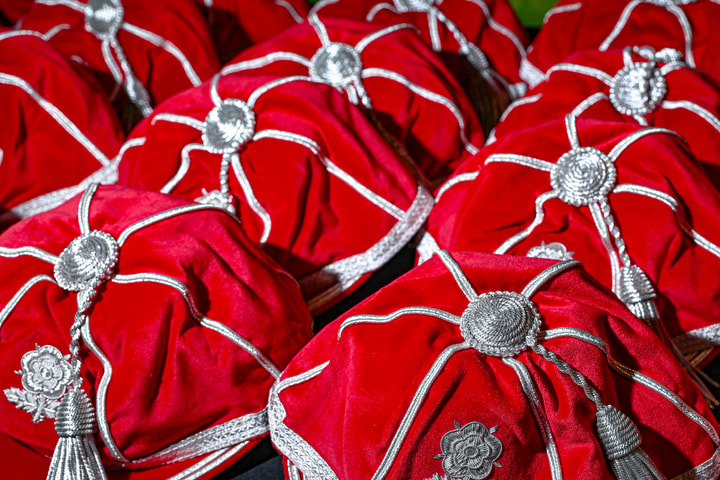
"We use jerseys and caps to share the stories of those who wore
them and the historical moments they lived through, such as the
rise and decline of the British Empire, the impact of two world
wars, and the industrialisation of Britain. Our archive can be used
to map changing attitudes to class and gender, and to explore
relationships between regions and between countries." - Niamh Field
(Collections Officer and Project Lead)
"This accolade demonstrates that the World Rugby Museum's
collection is a cultural asset of global significance and something
that the entire global rugby community can be proud of." - Phil
McGowan (World Rugby Museum Curator)
"Housed in the home of English Rugby, The World Rugby Museum
tells stories from both on and off the field, with the collection
exploring everything from rugby's relationship with identity, to
class, gender and social change. Congratulations to all involved in
this wonderful collection for their Designation award." - Darren
Henley (Chief Executive, Arts Council England)