From The Vaults

22 July 2026
The forgotten England rugby internationals from Surrey's lost college by Phil Hill

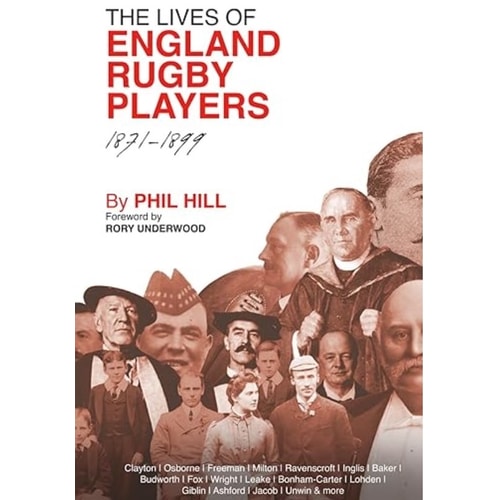
Long before Twickenham became the home of English rugby, the Royal Indian Engineering College at Cooper's Hill, near Egham, produced several England internationals whose lives proved every bit as remarkable as their rugby careers. Founded in 1871 to train engineers for the Indian Public Works Department, Cooper's Hill attracted outstanding sportsmen as well as scholars. Rugby quickly became one of the college's greatest strengths. During the 1870s and early 1880s the college established itself among England's leading sides, regularly defeating senior clubs and universities. Eight former students would go on to represent England, an extraordinary achievement for a specialist engineering college that existed for little more than thirty years. Research for my new book, The Lives of England Rugby Players 1871-1899, has uncovered the fascinating stories of the Cooper's Hill old boys who represented England during the sport's earliest years.

Among those players were:
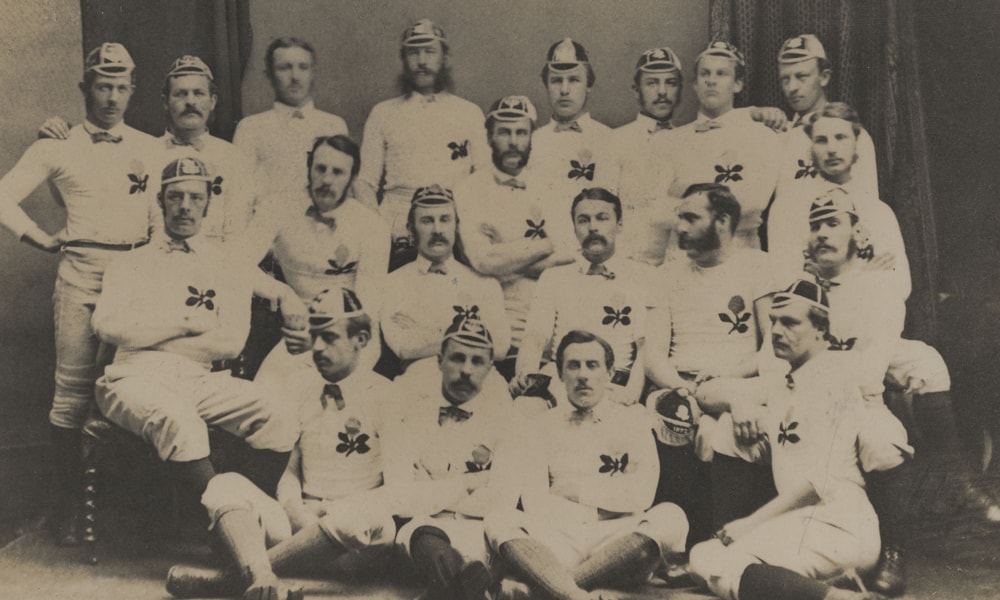
Stephen Finney and Henry Marsh

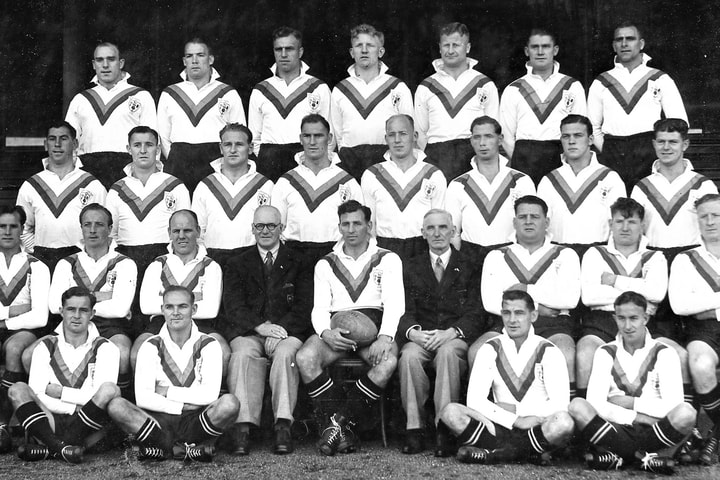
Sir Stephen Finney - front row, second from right - (debut 1872, two caps), survived a terrifying leopard attack while working as an engineer in India. Although he was briefly signed off work, he shook off the injuries in much the same way he picked himself up at the end of rugby matches he played in, when he often "wore the appearance of having been in a prize fight". Stephen was knighted for services to India and awarded the Freedom of the City of London.

Growing up in a grandiose house, Henry Marsh - front row, far left - who won one cap in 1873, would have been reminded of his ancestors' links to royalty. His father, Francis, prized a watch that had been presented by King Charles I to his chaplain Bishop Jeremy Taylor and handed down the family line. Then there was Henry's grandfather, Sir Henry Halford, a surgeon who accidentally cut off one of his fingers while performing an operation, thus ending his surgical career. That did not prevent him being appointed medical doctor to Queen Victoria. But there was no watch this time, rather the gift of a knighthood. After Cooper's Hill, Henry Marsh worked for the East India Company, but he claimed most of the engineers he worked with were desperately unhappy.

The article only scratches the surface of the remarkable lives uncovered during the research. Cooper's Hill's internationals were typical of the extraordinary Victorian characters whose stories are brought together in The Lives of England Rugby Players 1871-1899.

The tales uncovered during the research for the book include murder, suicides, acts of heroism, famous friendships, espionage, wild animal attacks, bigamy, bankruptcies, war heroes and Victorian scandals. Along the way appear Queen Victoria, a Jack the Ripper suspect, Prime Ministers, Archbishops of Canterbury, the creators of Sherlock Holmes and Peter Pan, and even a clergyman who wrestled another priest during a church service. The book also contains photographs of 336 of England's first 337 internationals, many published for the first time.