From The Vaults

18 January 2026
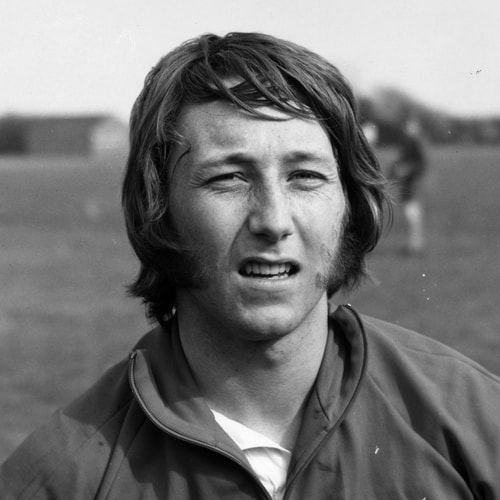
Celebrating the life of JPR

For years, the full back had served as the last line of defence, brought into service when all other attempts to repel the opposition had failed. Morgan and Williams saw the position as a floating role that might come into the attacking line wherever and whenever a player could cause the most damage. Williams, therefore, was both the scorer and creator of tries. He was no shrinking violet in defence either and privately believed throughout his international career that he was a natural flanker.

After qualifying, he began work as an orthopaedic surgeon in London and naturally joined London Welsh. A year later he was selected for Wales and made his debut at Murrayfield on 1 February 1969, alongside Mervyn Davies. Already in the Welsh side was school friend Gareth Edwards, who was developing a potent half back combination with Barry John. Essential building blocks in a side that would go on to define a generation.

JPR's introduction to the side brought instant results. Scotland were defeated 17-3 and Wales would win the championship undefeated. He scored his first international try the following year at Twickenham against England, a side against whom he would never lose in ten Test matches. The 1970 season ended in a shared Championship with France, but 1971 would prove to be a year to remember. It began with a crushing 22-6 victory against England at Cardiff Arms Park and ended with a closer, 9-5, victory over France at Stade Colombes, a result that delivered Wales a first Grand Slam since 1952.

1971 Lions

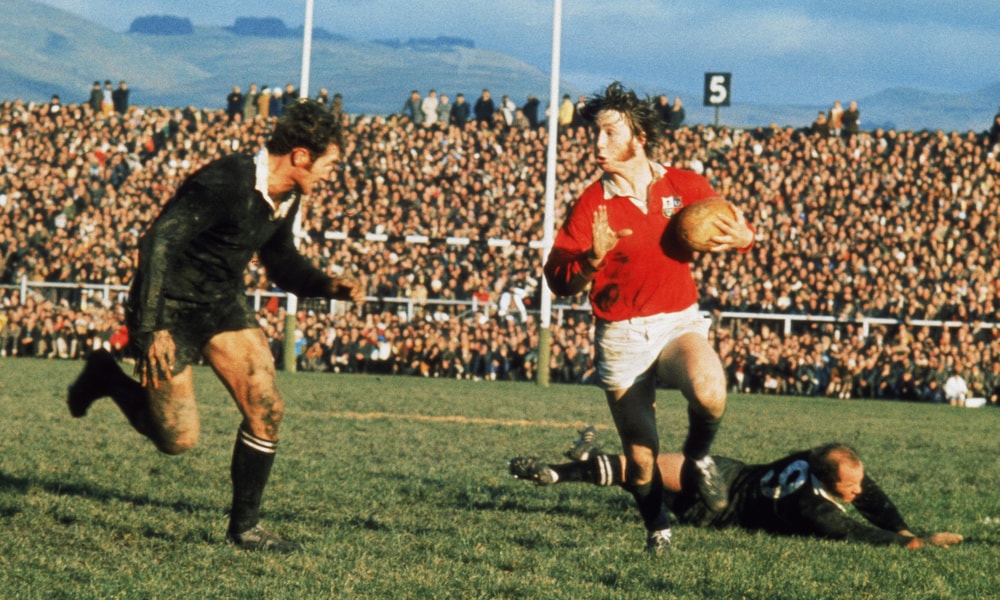
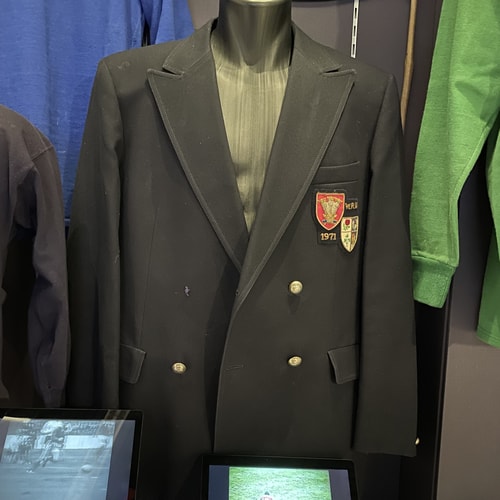
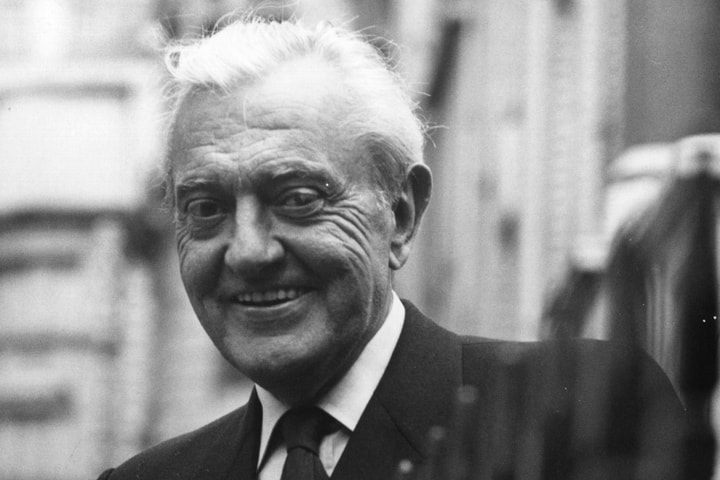
Such form could not be ignored and JPR was one of 12 Welsh players who collectively formed the core of the 1971 British & Irish Lions. Under the tutelage of Llanelli's Carwyn James, the Lions would endeavour to overcome the All Blacks for the first time in the touring side's history.

With JPR in the side they excelled, winning their first 11 provincial matches in New Zealand. They carried this form into the first Test, which the Lions won 9-3 at Carisbrook, Dunedin. New Zealand, who had recorded a 4-0 clean sweep against the Lions five years earlier, struck back in the second Test to level the series. The irrepressible Lions won again in Wellington, meaning that the All Blacks could only tie the series by winning the fourth Test, at Eden Park, Auckland.

JPR was no stranger to scoring points from the boot for Wales and, on the way to the game, had curiously predicted that he would score a drop goal. He did so with the scores locked at 11-11, deep into the second half. The points would be enough to make history. New Zealand were able to draw level, but the match finished 14-14 and the series finished 2-1 in the Lions' favour.

The core of the 71 side reunited to play the All Blacks again, in 1973, for The Barbarians. JPR was involved in the build up to a Gareth Edwards try that has gone down in rugby folklore as one of the greatest of all time.

Llanelli wing JJ Williams had come into the Wales side in 1973 and such was the interplay between the two that presenters took to using the 'JPR' initials to avoid the inevitable and confusing 'Williams to Williams' commentary.

Both were in the 1974 Lions side that would tour South Africa and, remarkably, they built on their achievements of three years earlier by improving their record. This time, they avoided defeat for the entire tour and only a drawn final Test, prevented a series whitewash. Famous for the '99 call' tactic, that would see every available Lion retaliate in the event of physical intimidation, it was more often than not JPR who would arrive at the scene first.

On their return, the Welsh Lions embarked on a period of historic Five Nations dominance. Four championships in five years were secured, with Grand Slams in 1976 and 1978. JPR married his wife Scilla in 1973, with whom he had four children. He captained Wales to a championship and Triple Crown in 1979. He earned the last of his 55 Wales caps in 1981 and earned 63 caps in total for both Wales and the Lions. He might have earned more, initially selected for the 1977 Lions, he turned down the opportunity to tour in order to focus on his medical career.