From The Vaults

06 April 2026
How the COVID-19 Pandemic Helped Transform Women's Rugby

While thousands of individual players and administrators around the world helped build the foundations of women's rugby, this article will look at how the uncertainty brought about by the COVID-19 pandemic inadvertently boosted its development.


On 7th March 2020, England secured the Triple Crown with a 33-30 home victory over Wales. A sell-out crowd bore witness to a vintage Ford-Farrell performance in which England were better than the scoreline suggests, a late Welsh rally giving them fourteen points in the final three minutes to narrow the deficit on the scoreboard.

The game was far from ordinary though, with scarves pulled around faces, facemasks and hand sanitizer in abundance. Sat in the Royal Box was (then) Prime Minister Boris Johnson, who just nine days later would instruct the UK to cease all 'non-essential contact and travel'. So began the first COVID-19 lockdown in Great Britain and Northern Ireland.

With the Six Nations and wider rugby season unfinished, nobody was sure what would happen next. The final four matches of the men's competition, and 6 of the women's, were postponed. Three months later, on 23rd June, the national lockdown restrictions were relaxed but less than a week later 'local' restrictions were reintroduced in parts of the country as virus cases surged.
Uncertain Future

The final round of men's Six Nations fixtures weren't played until 31st October and the final 3 women's fixtures were cancelled. On 5 November, a full lockdown was back in force in England and, with 11.7 million people furloughed from their places of work, a huge amount of uncertainty hung over the 2021 international rugby calendar.

With social distancing, rules of six, tiered restrictions and some special dispensations given to elite sport, plans for the men's tournament were made. Some sports, such as the highest levels of association football, were insulated from risk by lucrative television broadcasting deals, that would financially sustain clubs in the absence of fans. The same was not true further down the pyramid or for sports such as Rugby Union and Rugby League, for whom matchday revenue was a much larger piece of the money pie.

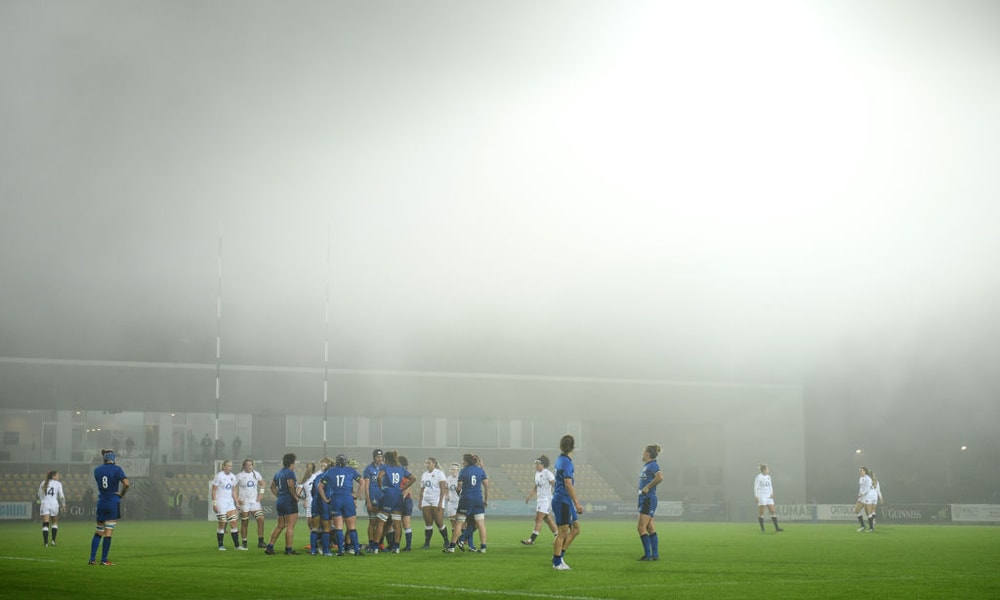
Nonetheless, the 2021 men's Six Nations kicked off on schedule in empty stadiums. Frustratingly however, there was complete radio silence with regards the women's Six Nations which normally ran alongside the men's tournament.

Having painstakingly grown support for the women's game over the years, England, Ireland and France were regularly getting crowds of between five and ten thousand and it may be that they were waiting for restrictions to lift before finalizing fixtures. But in January 2021, (then) RFU Head of Women's Performance Nicky Ponsford made public her concerns that the tournament may not even go ahead at all.

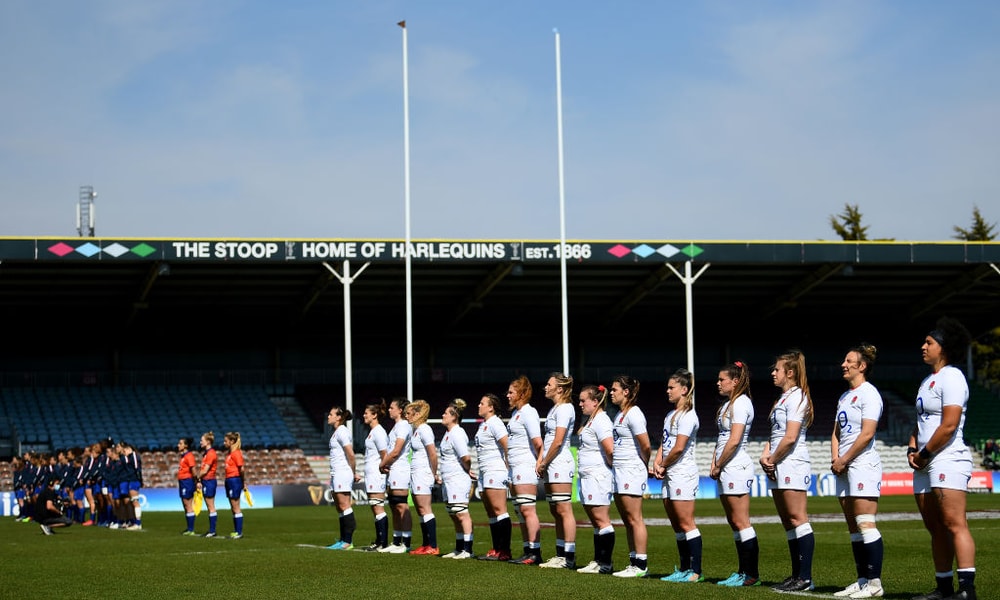
After frantic behind-the-scenes work by Nicky and others, it was announced that the tournament would go ahead in a new window, from April, after the men's tournament had finished. Ponsford was able to declare that 'normality had been restored' at a time when people across the United Kingdom and later the world, were receiving their first and second doses of a COVID-19 vaccine that would, later in the year, lead to the total lifting of lockdown restrictions.

There was also a crucial additional detail in the announcement. For the first time every match of the tournament would be broadcast live on the BBC, meaning that the UK public would be able to access the tournament in a way that had never previously been possible.

a new audience

Throughout the lockdown period, live sport had provided a window of normality for those trapped at home. The result was an astonishing 475% increase in viewers for the women's Six Nations as an estimated 5.1 million people watched the tournament in the first year of the arrangement. For many of those this would have been their first exposure to the women's game, but the figure has grown and indeed more than doubled in subsequent years.

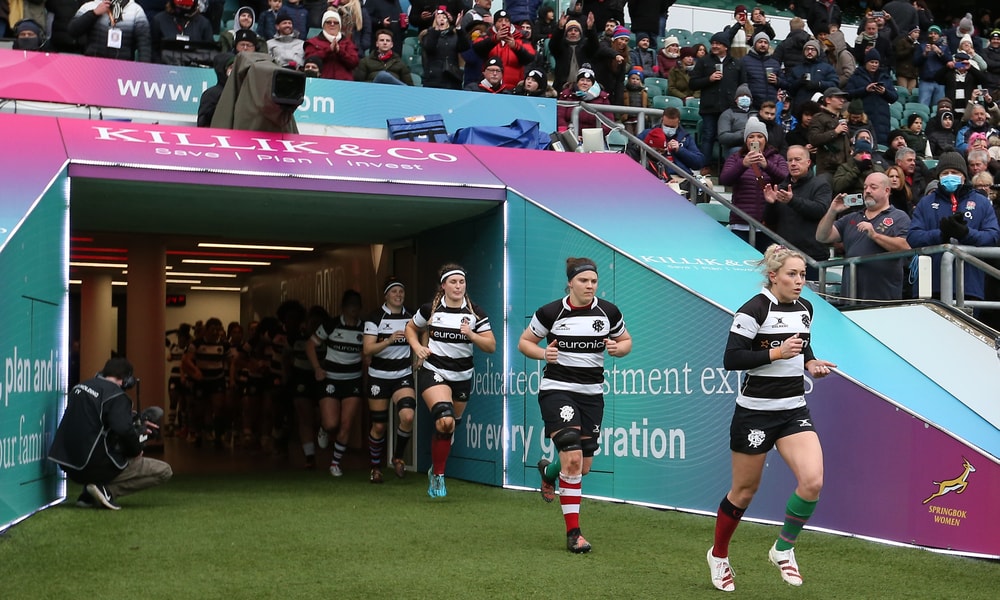
Lockdown restrictions were finally lifted on 19th July 2021 and unrestricted rugby was once again permitted in UK rugby clubs from August. But sporting contests continued to be disrupted with matches being cancelled when infections were discovered in camp. This situation lead to another landmark event for the women's game on 27th November 2021. The Barbarians men's team were scheduled to play Samoa at Twickenham with the Barbarians women's side playing a South Africa XV as the curtain raiser.

Barbarians, 2021

Just 90 minutes before kick-off, with the stadium filling up, it was announced that four men's Barbarians players and two staff had tested positive for COVID-19 and that, consequently, the team could not fulfill the fixture. Instead the Samoan side performed the Siva Tau and left the field.

That left the women's side to step into the breach. 29,581 fans stuck around to see England's Katy Daley-McLean complete her final representative match. At the time, a world record for a women's rugby match and for many, likely the first time they had ever seen women's rugby live. The match was also promoted to top billing on BBC One, who broadcast it live to millions.

Out of the chaos of COVID-19, women's rugby had finally broken into the mainstream and this period of rapid development in the UK was quickly replicated in France, Ireland and further afield. Three days before the Barbarians match, World Rugby had nominated England as its 'preferred candidate' to host the 2025 Rugby World Cup.

Rugby World Cup

The decision was ratified the following year and women's rugby, with the support of the BBC, was put on a rapid upwards trajectory. On 12th November 2022, the world record was broken again as 42,579 people watched New Zealand beat England in the Rugby World Cup final at Eden Park, Auckland.

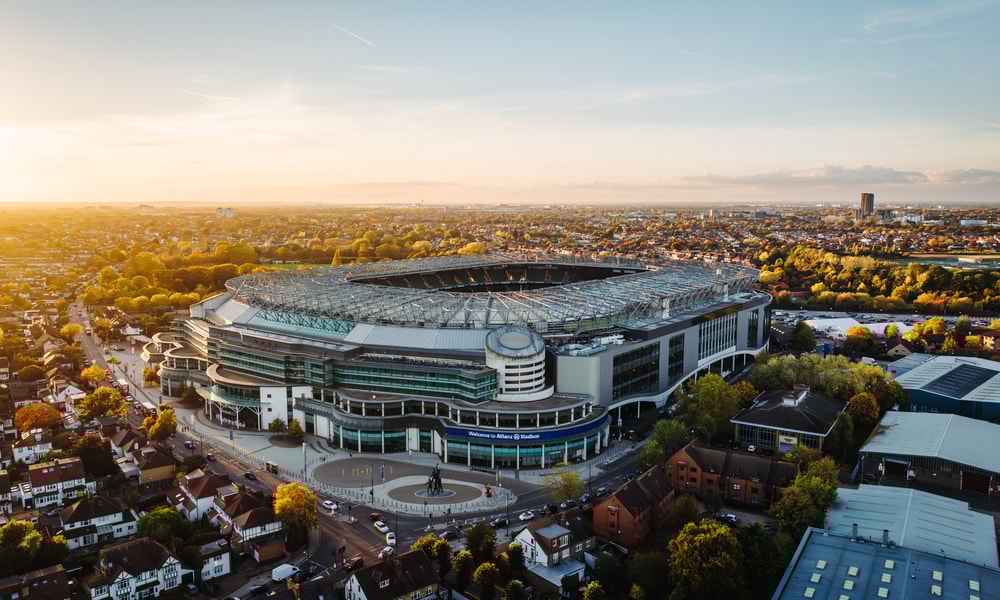
In 2023, Twickenham Stadium (now Allianz) hosted its first ever major stand-alone women's rugby fixture. England defeated France to win a Six Nations Grand Slam and the world record was once again broken as 58,498 made the trip. Two years later a new benchmark was set as 81,885 people packed into a sold out Allianz Stadium for the Rugby World Cup Final.

match days at Allianz Stadium

The Guinness Women's Six Nations 2026 begins on Saturday 11 April 2026.

If you're attending the match at Allianz Stadium, the World Rugby Museum can be visited prior to kick-off.