Rugby in California had briefly flourished either side of the First World War, firstly due to prominent universities Stanford and Berkeley switching to the sport from NFL in 1906. A USA representative side had then achieved unexpected success by winning the gold medal at the both the 1920 and 1924 Olympics.
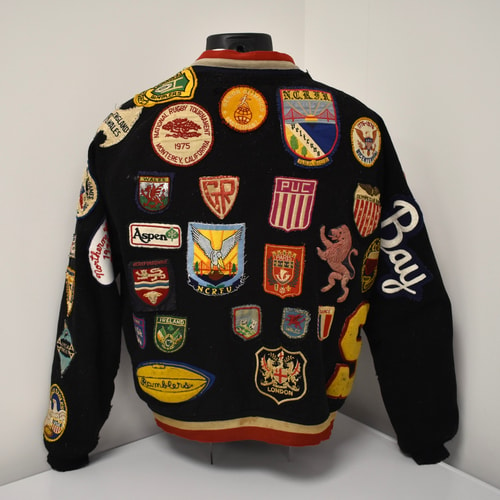
After the Second World War, a significant catalyst for the development of rugby union in North America was the annual Monterey Rugby Tournament, that began in 1959. The tournament was first organised by the San Francisco Olympic Club, a multi-sport member's club that had been founded in 1860. The tournament continued until 1979, when it became today's USA Club Rugby XVs.
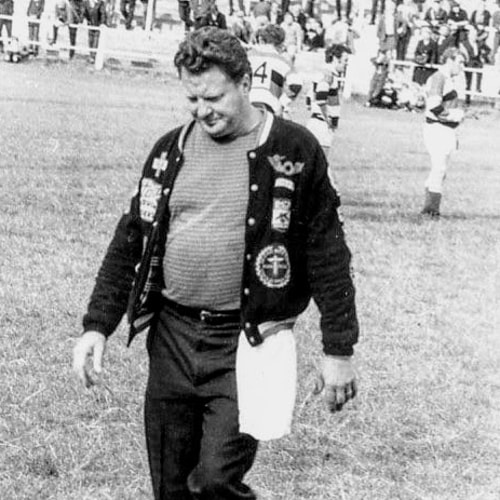
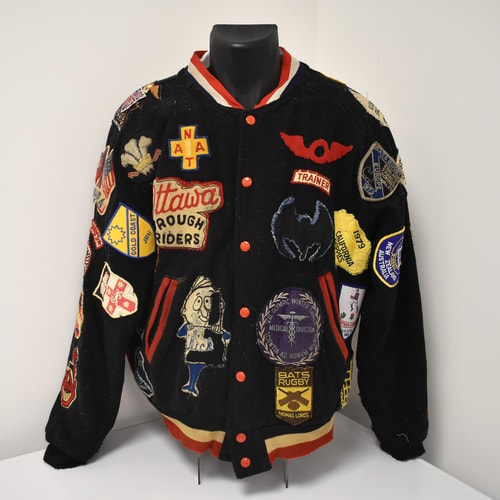
In 1967 the Olympic Club embarked on an overseas rugby tour that took in the UK, Ireland and France. It was such a success that on their return, several of their players set up a new club for future adventures. It was called the Bay Area Touring Side, or B.A.T.S. for short.
B.A.T.S. quickly became one of the USA's most successful rugby clubs, playing in numerous tournaments, including the Monterey tournament, and securing an 80% win record over the next twenty years. As is evidenced by their name though, the primary purpose of the side was to travel, which they did extensively.
In 1972 the side became the first American rugby team to play behind the Iron Curtain, with matches in Romania, followed by a tour of France and the UK. In 1978 they went one step further by touring the Soviet Union, Italy and the UK. They visited Tunisia in 1988 and Czechoslovakia, in 1991, after the fall of the Berlin Wall.
When the USA national team was established in 1975, three B.A.T.S. players were included in the line-up and a further twelve B.A.T.S. players would go on to achieve full Test status with the Eagles.